
New Report Recommends Immediate Actions to Address Remote Learning Inequity for Washington Students
Educators are doing an admirable job keeping students engaged and learning during these challenging times. However, it’s clear that Washington’s K-12 system was underprepared for the COVID-19 pandemic. Additionally, this pandemic has laid bare the longstanding and persistent opportunity gaps that exist for Black and Brown kids, as well as those with low-incomes, different languages, and those with other family circumstances. And, in our state it’s only getting worse. Access to equitable digital learning has become a necessity and changes throughout the system need to be made now to best serve every student.
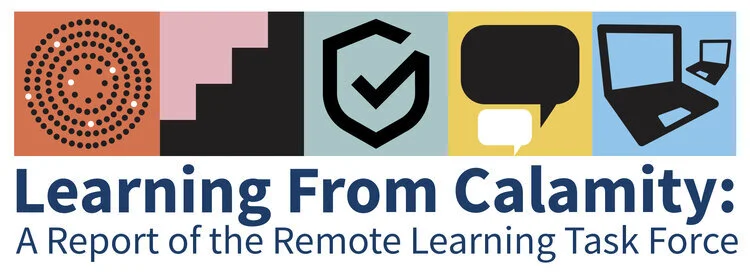
Today the Technology Alliance released a new report on the remote learning challenges facing Washington students and recommendations to best address them. In the fall of 2020, the Technology Alliance formed a Remote Learning Task Force which includes a diverse group of Washington’s education, business and government leaders. The Task Force explored problems in remote learning arising from the COVID-19 pandemic. They also offer a suite of recommendations to address the enormous inequities in our education system that exist now, while preparing for future remote learning needs. This includes:
· Better Connectivity: Every child deserves access to reliable internet connections no matter their location or family income. Right now, 150,000 to 200,000 students lack adequate, reliable internet access.
· Technology Equity: One-to-one devices for every Washington child. There is currently a shortage of 200,000 devices for students in our state.
· Educator & Student Readiness: The state should support districts in delivering high quality, personalized digital curricula at all grade levels. Educators should be given additional support and resources to prepare lesson plans for both remote and blended settings.
· Better IT Support: Districts should be provided the resources to create IT support systems to address both system and individual student/educator needs. Currently, IT support in urban and suburban schools is often understaffed, and often it’s non-existent in small and rural schools.
· Improving Family Communications: The key to remote learning success is clear communications with students and their families. The state should increase funding for family engagement programs, including an engagement coordinator within every school, to reach families through multiple communication methods. Schools should also track family communication and report on its effectiveness.
As we approach a year of school building closures because of the COVID-19 pandemic, too many children have lost learning opportunities already. We are all struggling to meet the needs of our children. Preparations for the next calamity cannot wait – Washington’s students need us to stop talking and start acting right now, even while we are working through the great challenge of remote learning.
If we do this right, the way we do school can forever be changed. Interruptions in learning for major weather events, building repairs, and the next pandemic can be a thing of the past. Families who have experienced language or cultural barriers can build trusting one-on-one relationships with dedicated school staff. Educators can have the training, tools, and ongoing preparation to address the unique needs of each of their students in and out of the school building. Opportunity gaps can be closed.
Sign this petition to ask our lawmakers to prioritize the critical resources our children need to ensure their uninterrupted access to a quality education, no matter the challenges our future may hold.
We need to be prepared as a community and as a state to serve our children through difficult times. Action was needed before the pandemic. We know what we need to do. And we can do this collectively. Washington students need our commitment and leadership. Let’s start now.