
Latino Books Month - May 2026
Maria Siguenza, Executive Director
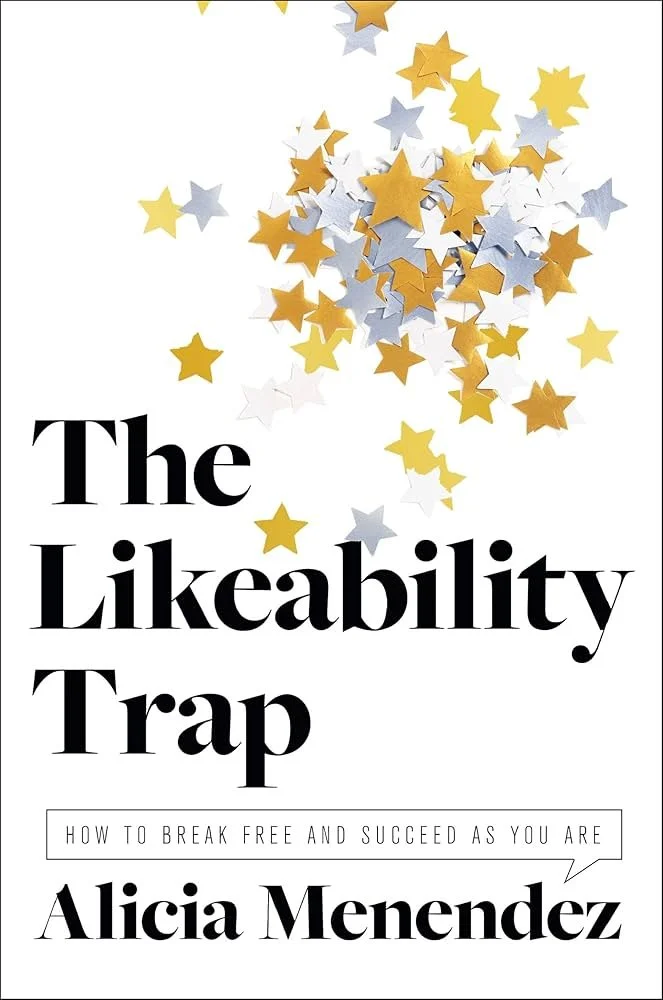
The Likeability Trap: How to Break Free and Succeed as You Are
by Alicia Menendez
Too many exclamation points in an email, not enough authority, but wait, too much authority, too ambitious…the double standards that are applied to women are impossible, and if you have an intersectional identity, it’s even worse. Menendez not only speaks about themes that women experience on the daily in professional and personal settings but reinforces leaning into our strengths, into ourselves, and leading from a place of confidence and authenticity, whatever that means to us. I read this early in my tenure at the Commission, and now that I think about it, it’s time to re-read for a reminder and reset!
Nancy, Aguilar, Assistant Director of Community Development
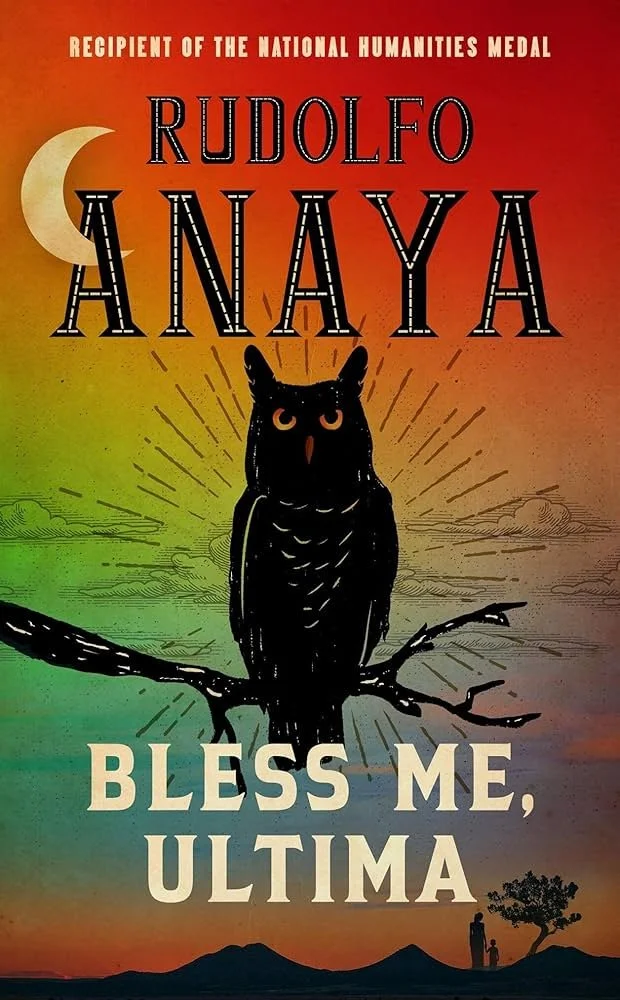
Bless Me Ultima
by Rudolfo Anaya
Antonio Marez is six years old when Ultima enters his life. She is a curandera, one who heals with herbs and magic. 'We cannot let her live her last days in loneliness,' says Antonio's mother. 'It is not the way of our people,' agrees his father. And so Ultima comes to live with Antonio's family in New Mexico. Soon Tony will journey to the threshold of manhood. Always, Ultima watches over him. She graces him with the courage to face childhood bigotry, diabolical possession, the moral collapse of his brother, and too many violent deaths. Under her wise guidance, Tony will probe the family ties that bind him, and he will find in himself the magical secrets of the pagan past—a mythic legacy equally as palpable as the Catholicism of Latin America in which he has been schooled. At each turn in his life there is Ultima who will nurture the birth of his soul.
I read this book at least once a year since i was in high school. I love everything about it, I see bits of my childhood in these pages. It’s a beautiful book and it teaches so much.
Amber Hoefer, Chief of policy and operations
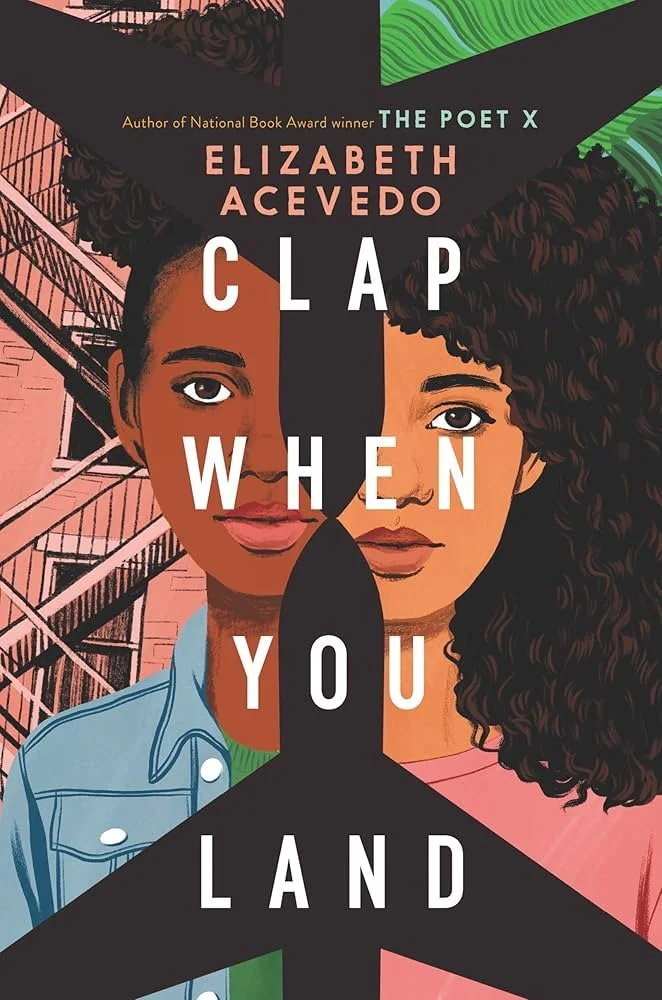
Clap When You Land
by Elizabeth Acevedo
I recommend Clap When You Land by Elizabeth Acevedo because it’s a powerful (and an approachable) read that showcases her use of imagery and poetic storytelling. Acevedo weaves together themes of grief, healing, identity, finding your voice, family connection, and Afro-Latinidad representation. Her writing feels both emotional and deeply human. If you enjoy her writing style, I also recommend another one of her novels, The Poet X.
David Melgoza, Community Development Officer
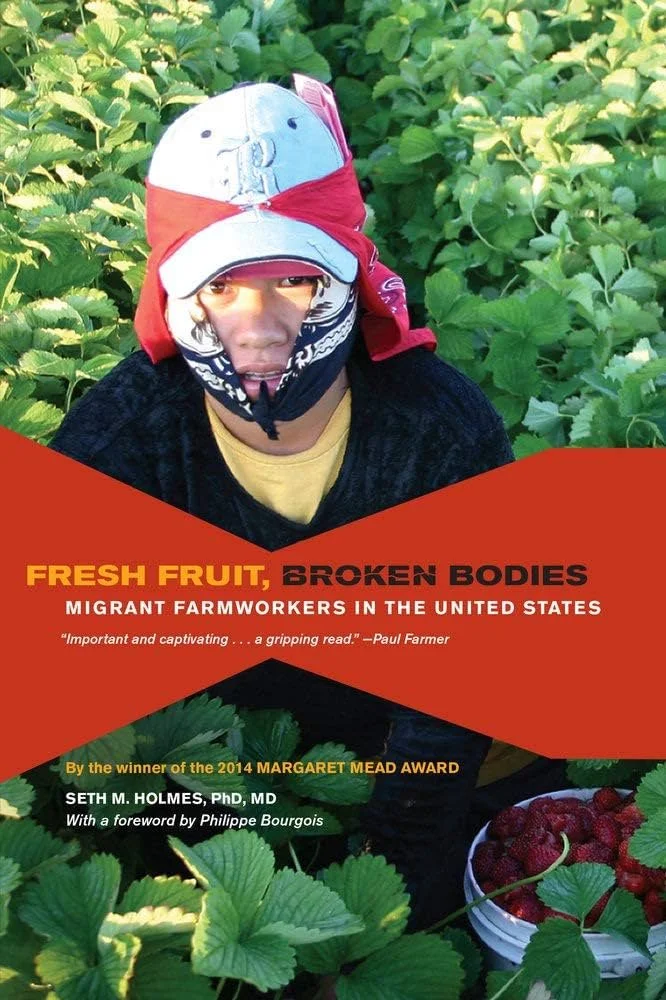
Fresh Fruit, Broken Bodies
by Seth M. Holme
For Latino Books Month, I’d recommend Fresh Fruit, Broken Bodies. What makes it compelling is how Seth Holmes combines lived experience with a broader analysis of migrant farm labor, making the book feel both real and insightful.
Rather than generalizing, it focuses on a specific segment of Latino experiences, migrant farmworkers, and examines how structural inequalities shape their health, working conditions, and daily lives. It connects individual stories to larger social and economic systems without losing the human element.
It’s a strong choice because it brings a more analytical perspective while still remaining personal, offering insight into an experience that is often overlooked or simplified.
Vic Rodríguez, Community Development Officer
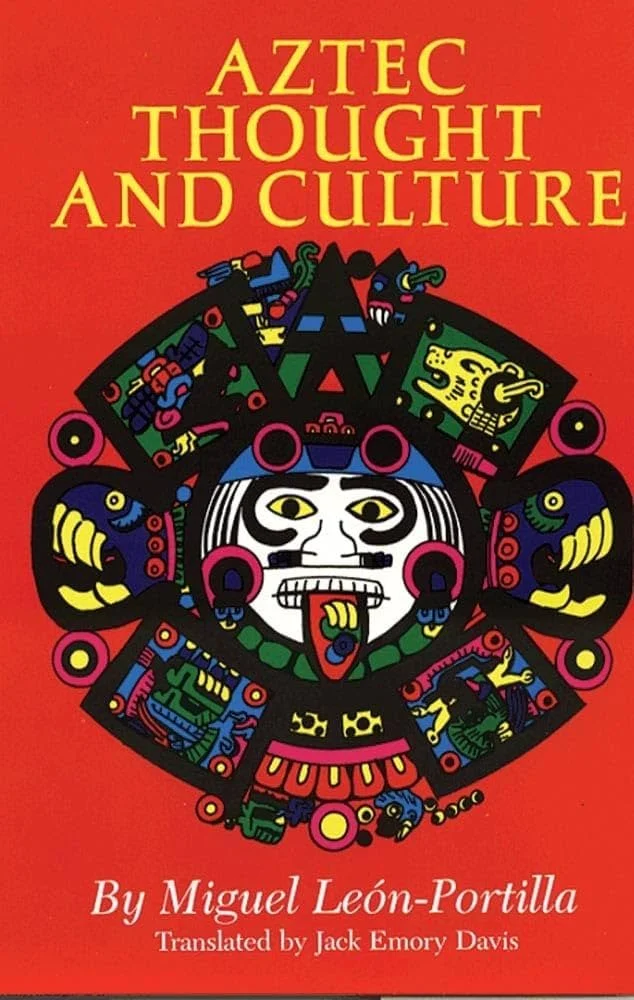
Aztec Thought and Culture
by Miguel León-Portilla
I’m excited to read Aztec Thought and Culture by Miguel León-Portilla. I’ve always been interested in learning about my roots, and at this point in my life I’m diving deeper into understanding Mexica spirituality, the cultural significance behind practices, and the Nahuatl language.
This book is considered a foundational text for understanding the Mexica worldview from their own perspective, drawing from original Nahuatl sources rather than solely Spanish interpretations. It explores profound philosophical concepts like teotl (sacred energy) and in ixtli in yollotl (face and heart-identity and truth), showing that Mexica society held complex philosophical systems beyond common narratives of ritual and war.
In these uncertain and challenging times, I find myself turning to my roots to stay grounded, refocus, and allow my cultura to guide me. This book will help me deepen that connection by providing a stronger understanding of the philosophies and teachings behind these practices, allowing me to continue this path with greater intention, respect, and clarity.
Esmeralda Garibay, Community Development Officer
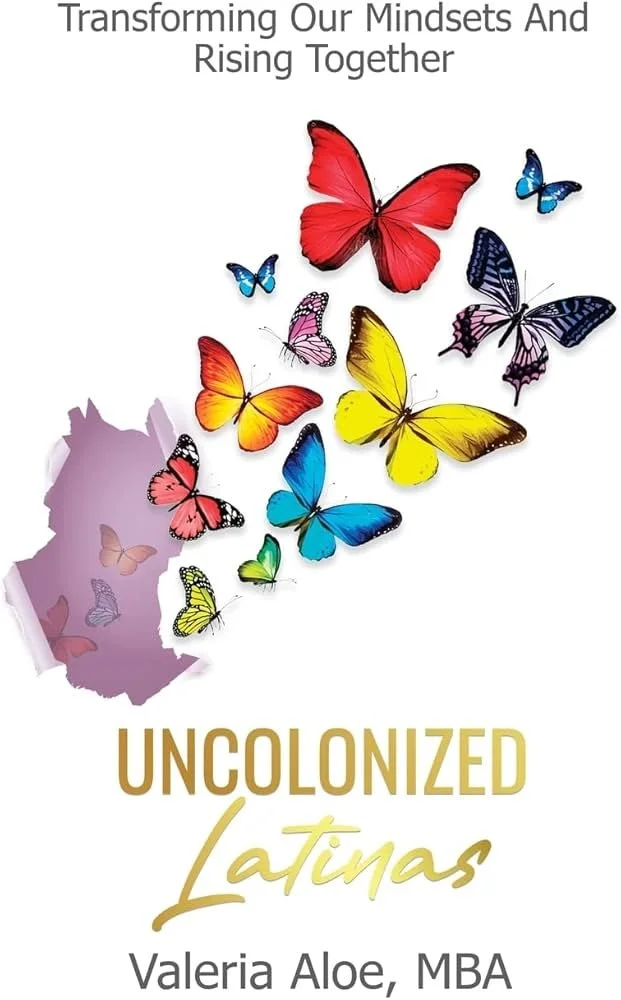
Uncolonized Latinas
by Valeria Aloe
I recommend Uncolonized Latinas by Valeria Aloe, especially for women. It explores identity, resilience, and decolonization from a Latina perspective, addressing struggles shaped by colonial histories and cultural erasure.
As a cycle breaker in my family, I relate deeply to this book. The top three lessons I learned to uncolonized my mindset are:
Put myself FIRST—breaking the pattern of always putting others before myself.
Take action to break the chain—setting boundaries with family.
Acknowledge and accept pain to heal—feeling discomfort is necessary for growth.
This book is a powerful guide to reclaiming identity and empowerment especially woman in our cultura.