The Hispanic or Latino community in the United States is vastly diverse. The challenges that it faces are equally sizable and diverse in nature. Mental health resources available but limited. The Latino community remains largely underserved. The National Latino Behavioral Health Association (NLBHA) is committed to advocating, supporting, and offering resources in response to these needs. This toolkit was created to provide easy access to important mental health resources to include alcohol and drugs, tobacco use, mental health conditions, trauma, and suicide. The resources have a specific scope. They were created with and for the Hispanic and Latino community. Cultural sensitivity, diversity, and humility served as guidelines in producing these resources in both English and Spanish
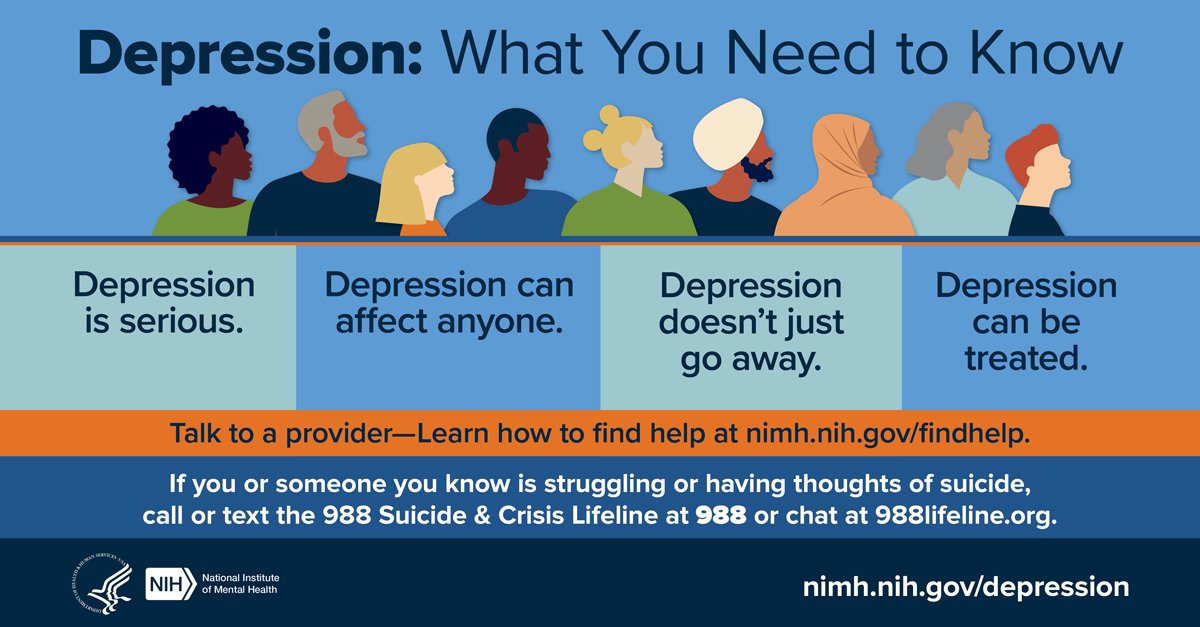


988 Suicide & Crisis Lifeline

Call, text, or chat 988 to reach the 988 Suicide & Crisis Lifeline. The 988 Lifeline is confidential, free, and available 24/7/365.

You can contact the 988 Lifeline to get support for:

  • Thoughts of suicide

  • Mental health crises

  • Substance use concerns

  • Any other kind of emotional distress

You can also contact the 988 Lifeline if you’re worried about a loved one who may need crisis support.

NAMI Compartiendo Esperanza: Mental Wellness in the Latinx/e Community

What Is Compartiendo Esperanza?

-Lack of information surrounding mental health issues can prevent people in Hispanic/Latinx communities from getting the help and support they need.

-Compartiendo Esperanza is a pilot initiative by NAMI to address this issue.

The videos below are tools to start conversations.


Compartiendo Esperanza is a three-part video series that explores the journey of mental wellness in Hispanic/Latinx communities through dialogue, storytelling and a guided discussion on the following topics:

  • Youth and Mental Wellness: “Sanando Juntos”/“Healing Together”

  • Community Leaders and Mental Wellness: “Las Raíces de Nuestra Sanación”/“The Roots of Our Healing”

  • Latinx Families and Mental Wellness: “La Mesa”/“The Table”


Grief and Loss in Hispanic and Latino Communities (Infographic) While loss and grief are universal human experiences, there are specific cultural aspects that must be understood when serving the Hispanic and Latino communities. This infographic covers the manifestations of grief and the various rituals that assist in observing and processing grief according to Hispanics and Latinos' regional and cultural backgrounds.

988 Suicide and Crisis Lifeline Too many people experience suicidal crisis or mental health-related distress without the support and care they need. There are urgent mental health realities driving the need for crisis service transformation across our country. In 2020 alone, the U.S. had one death by suicide about every 11 minutes—and for people aged 10-34 years, suicide is a leading cause of death. This resource contains information about call routing, videos, and fact sheets regarding prevention and mental health resources. Suicide is preventable.

Suicide Among Hispanic and Latino Communities 2.0 (Booklet) This booklet is a follow-up to previous infographic materials that address suicide among Hispanic and Latino communities. The information is organized by addressing suicide among Latin women and men. Risk factors and protective factors are highlighted. This compendium of information, guidance, and resources is a helpful tool for preventing suicide.

Domestic Violence Prevention Amongst Hispanic and Latino Communities (Booklet) In a non-stigmatizing language, the issue of domestic violence (DV) among Hispanic and Latino communities is addressed in this booklet. Domestic violence is defined, and its various types are explained. Given that immigrants suffer violence of various kinds, these abuses are addressed in a separate section. Prevention is key. Setting up healthy boundaries is a principal deterrent or preventive measure against DV. Education is likewise key.


Feel Good Listens, Wellness, and Mental health Support Podcasts/Youtube Channels:

Podcasts

o   Cafe con Pam: Hosted by Pam Covarrubias, this podcast features fearless Latinx and people of color who break barriers, change lives, and make this world a better place. Mental health and personal development are frequent topics. o   Latinx Therapy: Hosted by Adriana Alejandre, this podcast destigmatizes mental health within the Latinx community by featuring professionals and individuals sharing their experiences.

o   Latina to Latina Podcast – hosted by Alicia Menendez, this podcast features conversations with remarkable Latinas about their journeys, challenges, and successes.

o   Locatora Radio: Hosted by Diosa and Mala, this "radiophonic novela" covers topics like feminism, pop culture, and the experiences of women of color.

o   Super Mamás: Hosted by sisters Paulina and Bricia Lopez, this podcast offers a space for moms to share their stories, parenting tips, and personal growth experiences.

Youtube Channels

o   Dr. Mariel Burqué: A licensed psychologist who provides content on mental health, healing, and wellness, often focusing on the experiences of people of color.

o   The Grad School Femtoring Podcast: Hosted by Dra. Yvette Martínez-Vu, this channel provides advice and resources for first-generation students of color, covering topics like academic success, self-care, and professional development.

o   Mamas Con Ganas: Hosted by Valentina Izarra, this channel offers motivational content aimed at empowering Latinas to live their best lives, covering topics like personal growth, wellness, and entrepreneurship.


WAISN Resource Finder

The WAISN Resource Finder, a community-driven database of vetted resources for immigrant and refugee communities in Washington State, goes beyond simply listing available services. It bridges the gap between resource providers and community members by educating providers on cultural sensitivities, language needs, and the specific requirements of undocumented individuals

The WAISN Deportation Defense Hotline

The WAISN Deportation Defense Hotline (the “Hotline”) is the only statewide hotline exclusively dedicated to serving immigrants and refugees, particularly undocumented immigrants, in the state of Washington. The Hotline is WAISN’s ear on the ground, a two-way line of communication between WAISN and Washington’s immigrant community that serves as the foundation for WAISN’s priorities, initiatives, and immigrant justice work. 

If you need to report immigration activity, please call the Deportation Defense Hotline at 1-844-724-3737.


File a Complaint | Washington State

The Attorney General's Office handles complaints involving businesses operating in Washington State or affecting its residents. This includes issues related to consumer protection, such as unfair business practices, fraud, or violations of consumer rights. To file a complaint with the Washington State Attorney General's Office, compile necessary documentation and either file online or by mail. Here are a few examples of types of complaints filed with the Washington Attorney General’s Office:

  • Civil Rights and Discrimination: violations of civil rights, such as discrimination based on race, gender, age, or disability. Violations of state laws protecting tenants, employees, or students from discrimination.

  • Consumer Complaints: Unfair or deceptive business practices (false advertising, hidden fees, etc.), Scams and Fraud (imposter scams, phishing schemes, lottery/sweepstakes fraud, etc.), Contract and Billing Issues (Unfulfilled contracts or services, billing errors, unauthorized charges, failure to provide refunds or honor cancellation rights), Consumer Privacy Violations (unauthorized sharing of personal information, identity theft, etc.)

  • Business Practices Complaints: Disputes with retail stores or online sellers, home improvement contractors, issues with automobile sales, repairs, or concerns about professional service providers (movers, landscapers, plumbers, etc.)

  • Landlord-Tenant Disputes: Unlawful evictions, failure to return security deposits, habitability issues or failure to make necessary repairs

  • Telecommunication and Technology Complaints: Issues with internet service providers, phone companies, robocalls, spam, telemarketing, and problems with an app or software purchase.

  • Health and Safety Complaints: Healthcare billing issues, price gouging on medications, or complaints against healthcare providers or facilities

  • Specialized Complaints: Complaints about monopolies or unfair competition, government or public agency complaints, concerns about illegal sales of alcohol/tobacco to minors, etc.

How to determine if your complaint is eligible: If your complaint involves unfair, deceptive, or illegal practices affecting consumers or the public interest, it is likely within the Attorney General's jurisdiction. When in doubt, file the complaint—they will either handle it or refer you to the appropriate agency.

Additional Considerations: The Attorney General's Office cannot act as your personal attorney or provide legal advice. They offer an informal complaint resolution service and cannot compel a business to resolve a complaint. Complaints become public records and may be disclosed in response to public records requests.

File a Consumer Complaint:

  • Telephone: 1-800-551-4636 (Consumer Resource Center), Spanish option is available.

  • Información en Español (General Resources in Spanish):


How to: File a Workplace Rights Complaint

L&I protects workers from illegal business practices, such as lost wages, rest periods, meal breaks, retaliations and child labor. If you feel your workplace rights have been violated, file a complaint (file online or via mail with the Complaint Form).

Here are a few workplace right complaint topics but visit the Complaint Guide for more information:

  • Final wages not paid

  • Minimum wage not paid

  • Oertime not paid

  • Hours workedot paid

  • Paid sick leave

  • Willful failure to pay agreed wages

  • Money deducted from paycheck without permission (not taxes)

  • Paid with NSF (bounced check)

  • Unpaid tips, gratuities, service charges

  • Child labor laws were violated

  • Employer did not provide required time for meal periods

  • Employer did not provide required time for rest periods

  • Employer did not pay for work uniform

  • Employer retaliated against me

  • Warehouse quota and/or retaliation laws were violated

Before filing your complaint, gather documents to support your complaint. Some examples include:   

  • Attendance rosters

  • Copies of bad checks

  • Employee handbook

  • Log books

  • Payroll check stubs

  • Personal time records

  • Shift schedules

  • Time card or copy

  • Written wage agreement


How to Report Fraud to Law Enforcement

  • Local Police or Sheriff’s Office: If you believe you are a victim of a crime (for example, identity theft or financial fraud), you can start by filing a police report with your local police department or sheriff’s office.

    • In emergencies or if you feel threatened, call 911.

  • Washington State Patrol: For certain types of fraud or if local law enforcement directs you there, you can also contact the Washington State Patrol.


How to Report Fraud to the Federal Trade Commission (FTC)

Though the FTC is a federal agency, they are an important resource for consumer-related fraud, identity theft, and scams. They have extensive resources in Spanish.


How to report fraud to the Washington State Department of Financial Institutions (DFI)

If the fraud involves banks, credit unions, mortgage brokers, or other financial services, you can file a complaint with the DFI:

  • File a Complaint (English): https://dfi.wa.gov/consumers/file-complaint

  • Contact: 1-877-RING-DFI (1-877-746-4334) English only

  • DFI Resources in Spanish: https://dfi.wa.gov/es


How to report fraud to Washington Department of Revenue (For Tax-Related Fraud)

If you suspect business tax fraud or have issues related to state tax scams, the Washington Department of Revenue handles those reports:


How to report fraud to Washington State Employment Security Department (For Unemployment Fraud)

If the fraud involves unemployment benefits (e.g., someone filing for unemployment in your name):


Additional Resources in Spanish

  • AARP Fraud Watch Network (in Spanish): AARP has resources to help people identify and avoid scams.

  • Local Nonprofits / Community Centers: Organizations such as El Centro de la Raza, Latinos en Spokane, and other Latino community centers in Washington often provide assistance or direct referrals for those facing fraud or needing legal help.


Tips for Reporting Fraud

  1. Gather Documentation: Collect all related receipts, emails, bank statements, screenshots, or any proof of the fraudulent activity.

  2. Keep Records of Communication: Document all conversations, including names, dates, and times.

  3. Contact Your Bank or Credit Card Company (if applicable): If financial accounts are involved, notify your financial institutions immediately.

  4. Place a Fraud Alert (if identity theft is suspected): Contact the three credit bureaus (Equifax, Experian, and TransUnion) to place a fraud alert or freeze on your credit.

  5. Follow Up: After filing a report or complaint, note down the reference number and follow up as needed.

Sample Phone Scripts in Spanish

When calling an agency, you can use a short Spanish script to request assistance:

Script Example:

“Hola, mi nombre es ___. Necesito reportar un fraude. ¿Podría hablar con alguien que hable español o un intérprete en español, por favor?”

This directly asks for Spanish-speaking assistance or a Spanish interpreter.


Key Points

  • Start with the Attorney General’s Office or the Federal Trade Commission for broad consumer fraud.

  • For specific types of fraud (tax, unemployment, insurance), go to the respective Washington State department.

  • Law enforcement (local police or sheriff) is important if you’ve been directly victimized (identity theft, financial loss, etc.).

  • Utilize official Spanish-language resources from these agencies or community organizations for assistance in your preferred language.

Remember: If you ever feel unsafe or believe you are in immediate danger, dial 911. For general questions about fraud reporting in Washington State, you can also call 211 to be connected to community resources (some of which offer Spanish-speaking services).


Overview

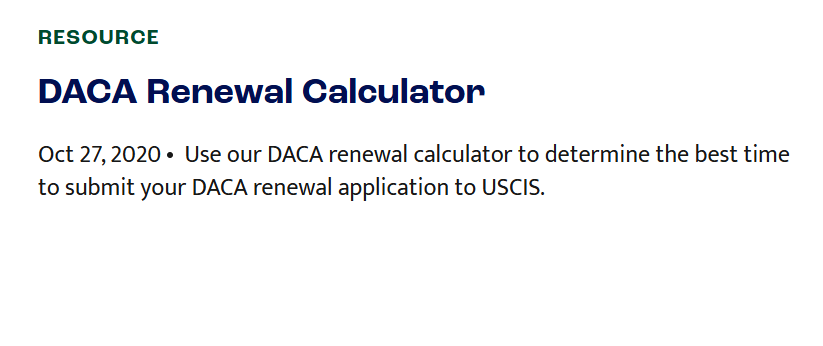
Deferred Action for Childhood Arrivals (DACA) allows young immigrants who grew up in the U.S. to seek temporary protection from deportation and to have the ability to work. For over a decade,  DACA has transformed the lives of more than 834,000 young people.

The road to DACA was hard-fought. Undocumented youth mobilized and organized for years before it became a reality in 2012. Since then, DACA has received broad support, becoming arguably the most popular immigration program in recent U.S. history.

Despite—or perhaps because of—DACA’s profoundly successful impact, anti-immigrant politicians have relentlessly attacked the program since its inception. As a result of these attacks, DACA recipients are forced to live their lives in chronic uncertainty.

Why It Matters

DACA recipients and immigrant youth need the permanency and stability of a pathway to citizenship. Despite many promises over the past decade and broad popular support, Congress has yet to deliver permanent protections or a pathway to citizenship.

At the same time, DACA is under threat in court, with an ongoing legal challenge led by Texas already resulting in a freeze on the granting of DACA initial requests.

Living life in two-year increments and from court decision to court decision takes a heavy toll on current DACA recipients and can have a destabilizing impact on entire families and communities.

DACA Litigation Over the Years

May 3, 2024: Affordable Care Act Expansion for DACA recipients
U.S. Department of Health and Human Services issued a new rule to make DACA recipients eligible to purchase health coverage and subsidies under the Affordable Care Act. The rule is intended to take effect on November 1, 2024 (the start of open enrollment under the ACA). 

August 30, 2024: Kansas v. U.S.
Court: District Court of North Dakota
Kansas and several other states filed suit under the Administrative Procedure Act, challenging the legality of the ACA DACA rule and asking the court to vacate and block the rule.  On September 20, 2024, NILC and pro bono counsel Gibson Dunn LLP moved to intervene on behalf of CASA and three individual intervenors with DACA who are planning to enroll in qualified ACA health insurance plans under the rule. CASA and individual Defendant Intervenors also filed a motion to dismiss North Dakota as a Plaintiff and transfer the case to U.S. District Court for the District of Washington, D.C.  Oral Argument on the Plaintiff States’ Motion for Preliminary Injunction will be held on October 15, 2024, at the U.S. District Court for the District of North Dakota. 

October 10, 2024 – Texas v. U.S.
Court: Fifth Circuit Court of Appeals
The Fifth Circuit Court of Appeals holds oral arguments in Texas v. U.S., reviewing the district court’s decision finding the 2022 DACA rule unlawful. Arguments focus on the suing states’ standing, the severability of the rule, and the proper scope of remedy.

January 17, 2025 – Texas v. U.S.
Court: Fifth Circuit Court of Appeals
The Fifth Circuit Court of Appeals issued a decision modifying the injunction but keeping the stay pending appeal which would mean that renewals can continue for existing DACA recipients.  The 5th Circuit limited its decision to Texas, and sent the case back to the district court with an instruction to sever the forbearance from deportation provision from the work authorization, meaning that  no more work permits would be granted (only protection from deportation). The timing for this to go into effect is unclear. Status quo remains the same (people everywhere can continue to renew if eligible).  


Other Relevant News

May 25, 2025

As of May 25, 2025, DACA recipients are no longer eligible for FHA loans, closing a significant path to affordable homeownership for many. Gov Source, News Source


Top 5 Things to Know After the Latest DACA Decision

What happened: On January 17th, 2025 the 5th Circuit Court once again ruled against DACA, but kept renewals open–for now. This ruling is part of ongoing, deliberate attacks to undermine immigrant communities, limit opportunities, and enable mass deportation. What you need to know: The fight isn’t over: DACA renewals are still open. Current DACA recipients […] unitedwedream.org


National Immigration Law Center


Established in 1979, the National Immigration Law Center (NILC) is one of the leading advocacy organizations in the U.S. dedicated to advancing and defending the rights and opportunities of low-income immigrants and their loved ones.

Resources for Employers

Resources for DACA Workers

Other Resources


 DACA Data


The Office of Refugee and Immigrant Assistance is part of the Washington State Department of Social and Health Services, within the agency’s Economic Services Administration and Community Services Division. Our goal is to help refugee and immigrant families and individuals succeed and thrive in Washington state.

Office of Refugee and Immigrant Assistance (ORIA) Resource Tool


Immigrants in Washington

Washington—one of the major food-producing states in the nation—relies heavily on its large immigrant population. While 15.3 percent of the state’s residents and 19.3 percent of its labor force are foreign-born, immigrants make up 77.0 percent of miscellaneous agricultural workers in the state. They also account for 21.5 percent of entrepreneurs, 30.6 percent of STEM workers, and 17.3 percent of nurses in the state. As neighbors, business owners, taxpayers, and workers, immigrants are an integral part of Washington’s diverse and thriving communities and make extensive contributions that benefit all.

Topics of Interest

Added on April 18, 2025

Curious how far local governments can go when immigration questions land on their desks? Harry Boesche’s latest post untangles the legal tug‑of‑war between federal supremacy and state or city initiatives using fresh 2024‑25 court rulings, Washington’s new executive order, and the Keep Washington Working Act as vivid case studies.

In just a few minutes you’ll learn:

  • why some county rules get struck down while others, like fair‑wage laws for detainees, survive;

  • how the “intergovernmental immunity” and “anticommandeering” doctrines draw bright lines on cooperation with ICE;

  • which two federal statutes every local agency must still obey, no matter how “sanctuary” they are.

If you’re a public official, advocate, or simply fascinated by the shifting landscape of U.S. immigration enforcement, this concise guide will leave you smarter and eager to dive into the full analysis.

Read the complete article here: MRSC - Immigration Regulation and the Role of Local Governments


We are proud to share valuable resources from across Washington state tailored to support the Latino community. Our aim is to connect individuals and families with opportunities, services, and tools hosted from incredible organizations across Washington state. Together, we can build stronger, more vibrant communities!


Ferry, Lincoln, Pend Oreille, Spokane, and Stevens Counties

Adams, Asotin, Benton, Columbia, Franklin, Garfield, Walla Walla, Columbia, and Whitman Counties

Island, San Juan, Skagit, Snohomish, and Whatcom Counties

Chelan, Douglas, Grant, Klickitat, Kittitas Okanogan, & Yakima Counties

Clallam, Grays Harbor, Kitsap, Jefferson, Pacific, and Wahkiakum Counties