
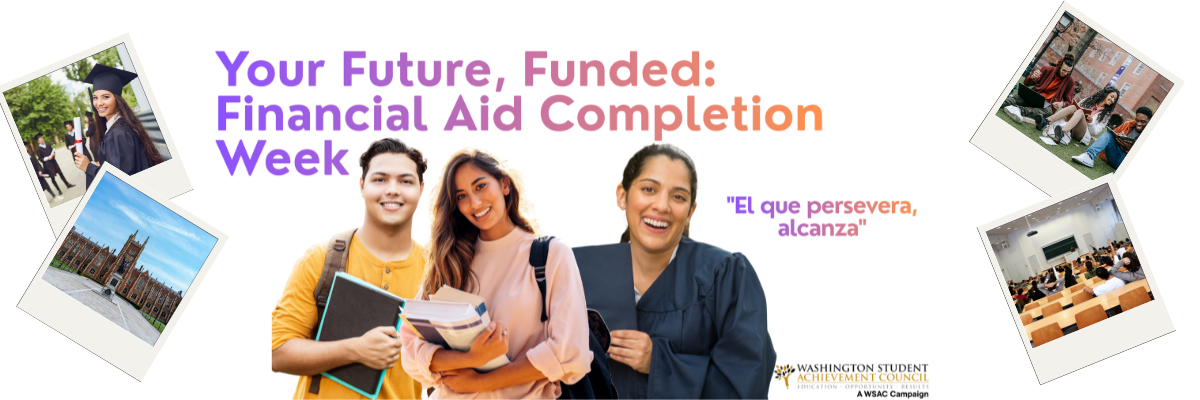
Applying for FAFSA can be hard, but you can get through it!


The importance of supporting our students in applying for FAFSA or WAFSA
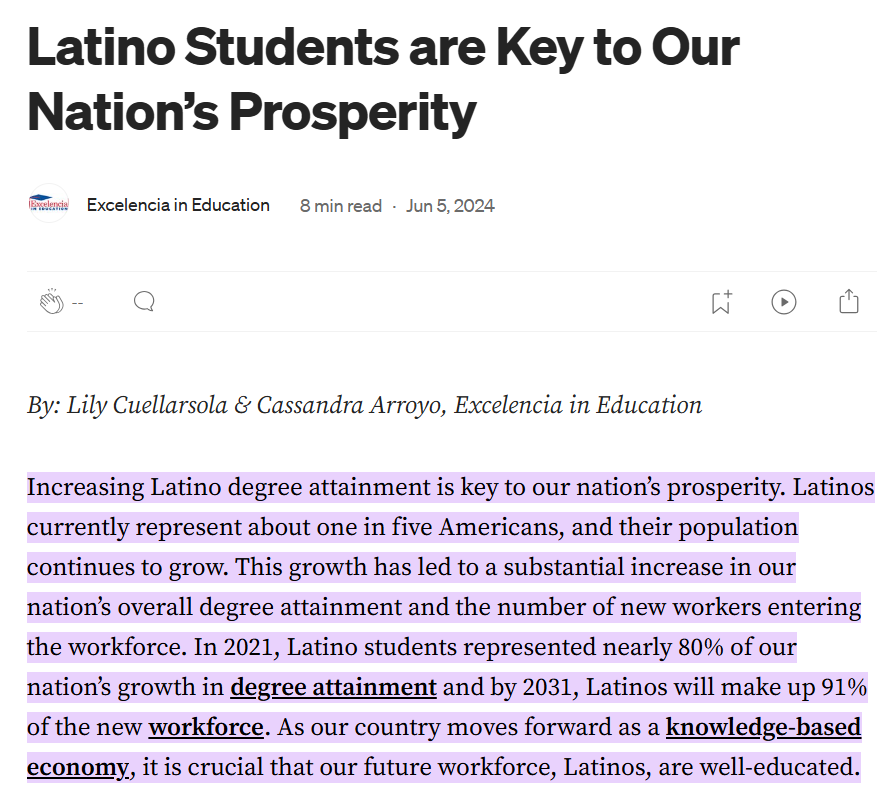
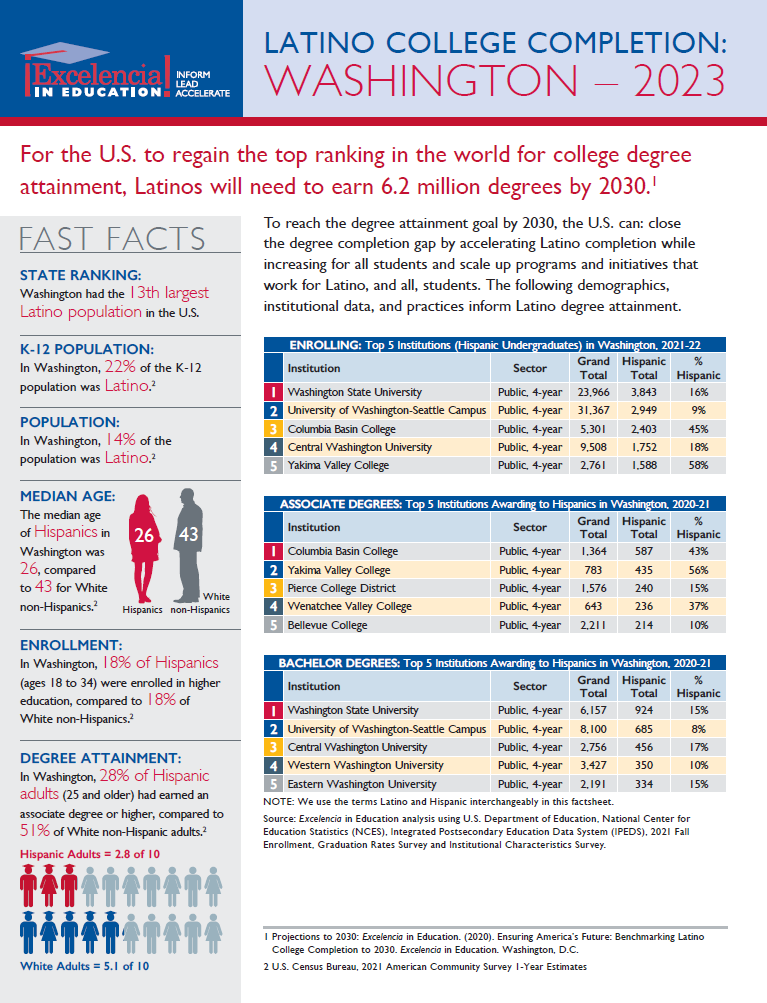
Higher education is vital for Latino students in Washington state to bridge the income gap, as 78% of new workers by 2030 are projected to be Latino, requiring higher skills for a modern economy. It enables upward mobility, boosts regional economic prosperity, and meets the need for a diverse, qualified workforce. Targeted support and cultural programs in Washington institutions are crucial for success, especially for underrepresented, first-generation students.
THE IMPACT OF EDUCATION
Economic Opportunity: Higher education increases lifetime earnings and wealth accumulation for Latino students, offering a pathway to professional careers and stability.
Workforce Participation: Latinos are projected to make up a vast majority of the new workforce growth. In Washington and nationally, increasing Latino degree attainment is essential for a sustainable, educated, and high-wage economy.
Community and Family Impact: Many Latino students are motivated by a "purpose in life" that includes helping their families and giving back to their communities, making education a tool for collective advancement.
CHALLENGES AND SUPPORT
Access and Success: Despite enrollment gains, Latino students often face higher rates of financial pressure and are more likely to attend less selective institutions.
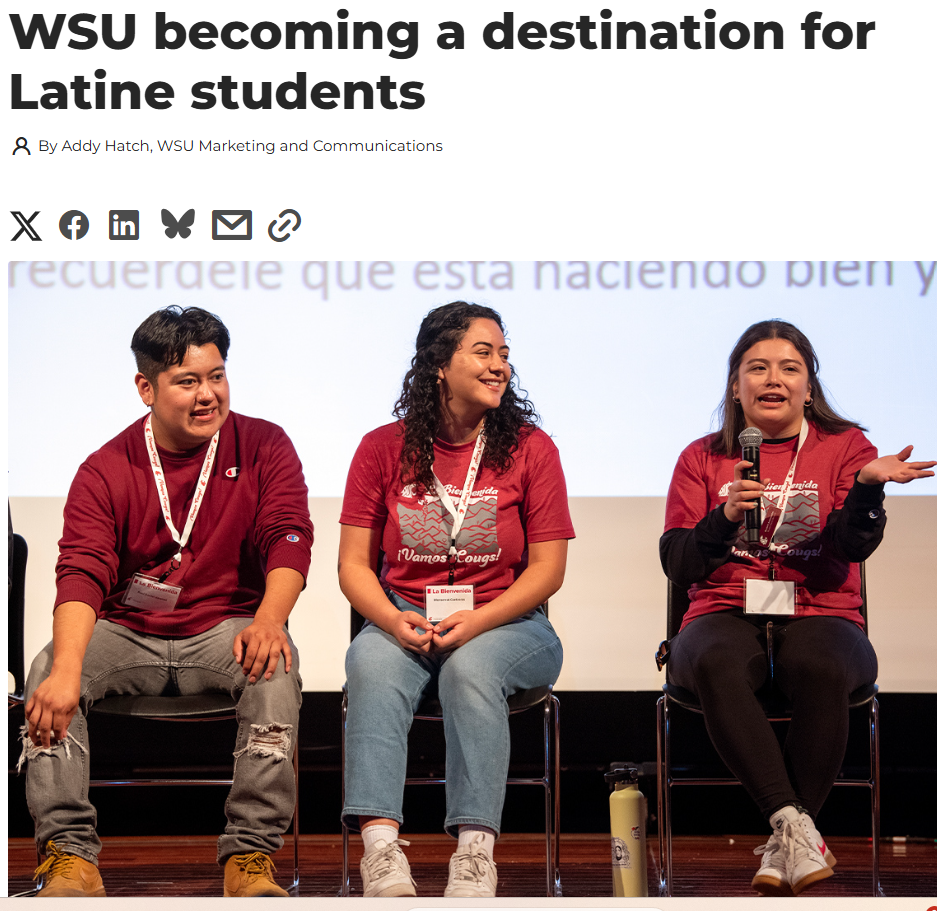
Supportive Environments: Culturally relevant support services—such as mentoring, counseling, and family engagement—are crucial to address barriers like financial stress and ensure completion.
Resources for parents and students
Research

About WSAC
The Washington Student Achievement Council (WSAC) is a cabinet-level state agency. We are working to raise educational attainment through strategic engagement, program management, and partnerships.
Strategic planning, oversight, and advocacy:
Be a convener, facilitator, and thought leader to increase educational attainment in Washington, with a focus on improving equity and opportunity for people and groups furthest from the state’s attainment goal.
Advise state and local elected officials on how best to support cross-sector education and training pathways in K-12 schools, colleges, universities, apprenticeship programs, and training programs.
Conduct research and evaluation to inform public policy and public and private investments to better achieve our goals.
Assess the need for additional degrees and programs throughout the state.
Improve student success by setting minimum college admission standards.
Protect education consumers by authorizing out-of-state institutions serving Washington students.
Promote and safeguard quality education and training programs for veterans.
If you belong to a nonprofit organization and want to support this campaign, please send us an email!